BWAW will celebrate its sixth edition from March 4 to 6 at DFactory Barcelona
27 de January de 2026
- Barcelona Woman Acceleration Week (BWAW) will hold its sixth edition in 2026 as the leading event for promoting gender equality in the business sector.
- The event will bring together leaders, companies and professionals committed to transforming the way we work, lead and create opportunities, encouraging reflection on the visibility of women across different sectors.
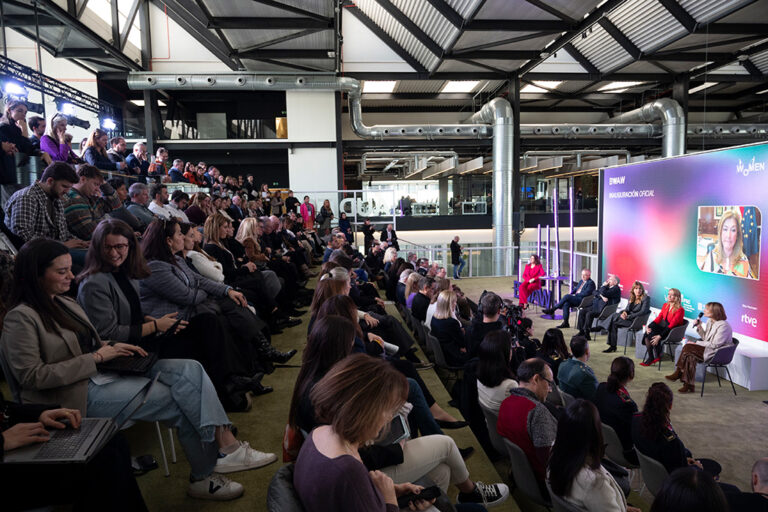
Barcelona, January 27, 2026.- Barcelona Woman Acceleration Week (BWAW) will hold its sixth edition at DFactory Barcelona from March 4 to 6, 2026, reaffirming its position as the benchmark event for promoting gender equality in the business sphere, encouraging reflection on the visibility of women in key sectors of the economy. The event will bring together leaders, companies, and professionals committed to transforming the way we work, lead, and create opportunities.
Organized by the Consorci de la Zona Franca de Barcelona (CZFB), the event once again features the collaboration of the Fundación Incyde of the Cámaras de Comercio de España. It contributes to positioning Barcelona as a key city for the development of the new economy and as one that is firmly committed to the Sustainable Development Goals (SDGs) of the 2030 Agenda.”
The Special State Delegate at the CZFB, Pere Navarro, highlights that ‘in this sixth edition of BWAW, we will explore the challenges, solutions and trends that will shape the future of talent, gender‑inclusive innovation, and inclusive leadership. Three days to inspire each other, bring together diverse perspectives, and build a fairer, more equal and more competitive business ecosystem”.
For her part, the Director General of the CZFB Blanca Sorigué, notes that ‘just as in its previous editions, BWAW 2026 will serve as a platform to share perspectives, learn from leading figures, connect with companies that are already driving change, and spark conversations that translate into real impact in promoting gender equality in the business sphere and in its contribution to the economy.’”
Barcelona Woman Acceleration Week is a clear example of the CZFB’s commitment to the SDGs, and more specifically to SDG number 5: Gender Equality. In the same vein, the company promotes other initiatives such as the ZF Women’s Council, which already has 26 members, and carries out projects like Feel the ZP Power, aimed at bringing school‑age boys and girls closer to the companies within the ecosystem—without gender bias—highlighting their contribution to society and fostering early interest in STEM education.
The 6th edition of the Barcelona Woman Acceleration Week (BWAW) can be followed in person at DFactory Barcelona or via streaming through the event’s website (www.barcelonawaw.com).
Some conclusions from the latest edition of BWAW
Among the conclusions drawn from the previous edition, one of the most prominent was the lack of female role models, which continues to be an obstacle in the technology sector. In fact, the presence of women at major international tech events remains very low. For example, female participation at MWC stands at only 2.5%. This highlights the need to give greater visibility to women in leadership and mentoring positions, as well as to involve younger generations in decision‑making in order to advance gender equality. Additionally, large companies face the challenge of finding the right ways to communicate and raise awareness that all career opportunities are equally accessible to both boys and girls.
Figures related to access to funding are also striking, as this remains a challenge for women entrepreneurs: only 3% of investment funds go to startups led by women. Some even report being ruled out in investment rounds simply because they are women.
Likewise, in sectors such as healthcare, women face higher demands to access leadership positions. Furthermore, medical research has historically prioritized male‑based parameters, overlooking sex‑based differences in diseases—an imbalance that must be corrected.
In summary, it was concluded that equality is not only a social issue but also an economic one. If 50% of the population were to live under equal conditions, the potential GDP growth could be significant.